

Now screening
Fantastic Fungi
A vivid journey into the mysterious subterranean world of mycelium and its fruit— the mushroom. A story that begins 3.5 billion years ago, fungi makes the soil that supports life, connecting vast systems of roots from plants and…
201980 min★ 7.2Open the file →
CipFlix
221 documentaries in English, 1995 to 2026: music, film, nature, sport, business and the arts.
Music
Full reel →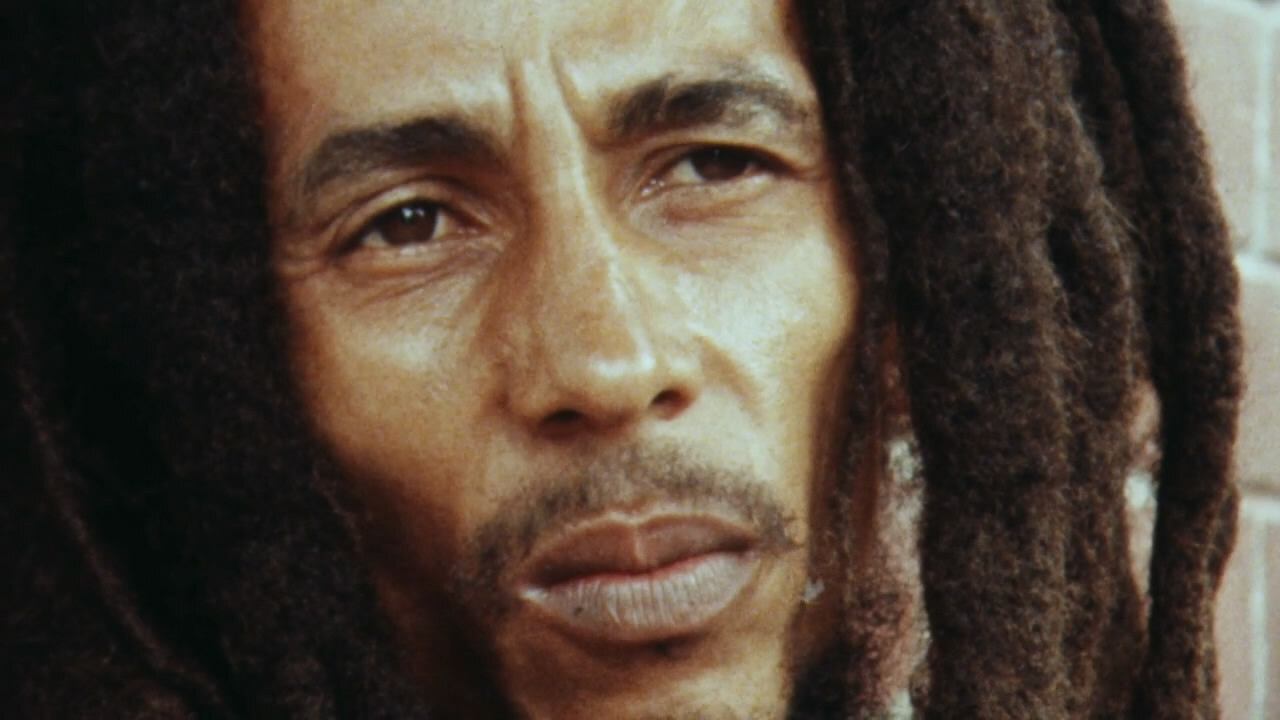
Film and television
Full reel →
Nature, science and life
Full reel →


Sport and daring
Full reel →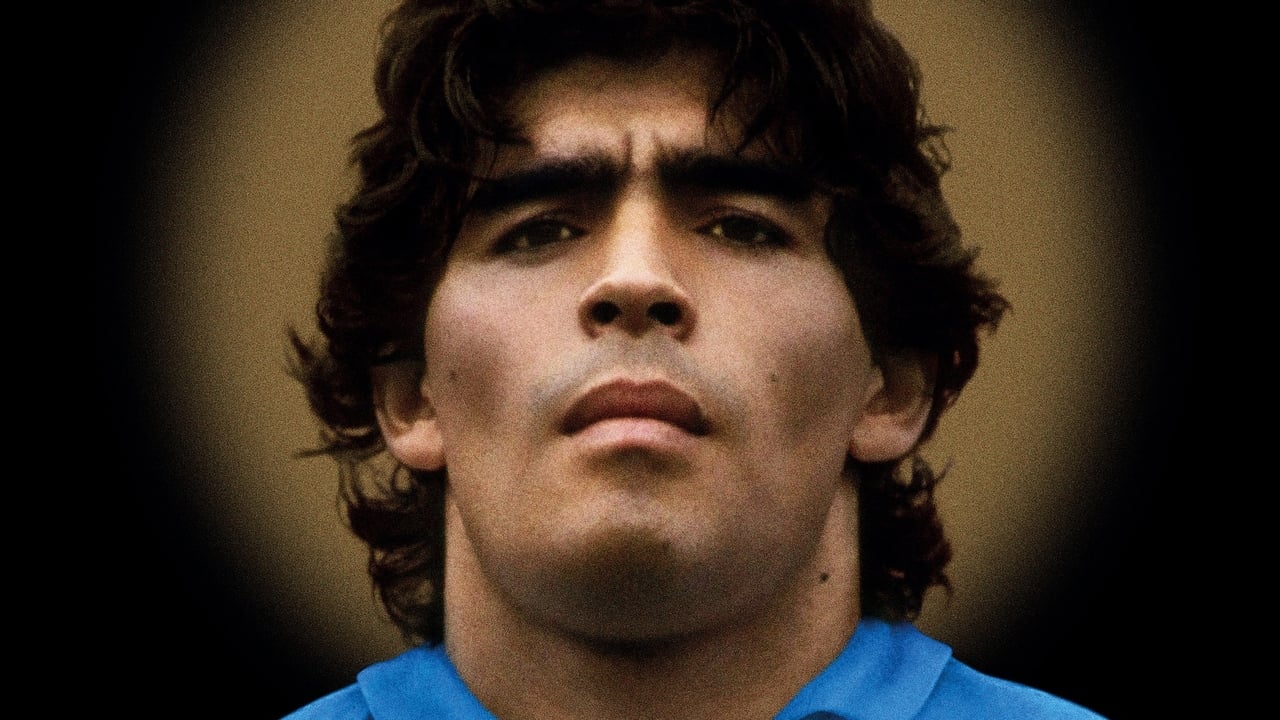
Business and society
Full reel →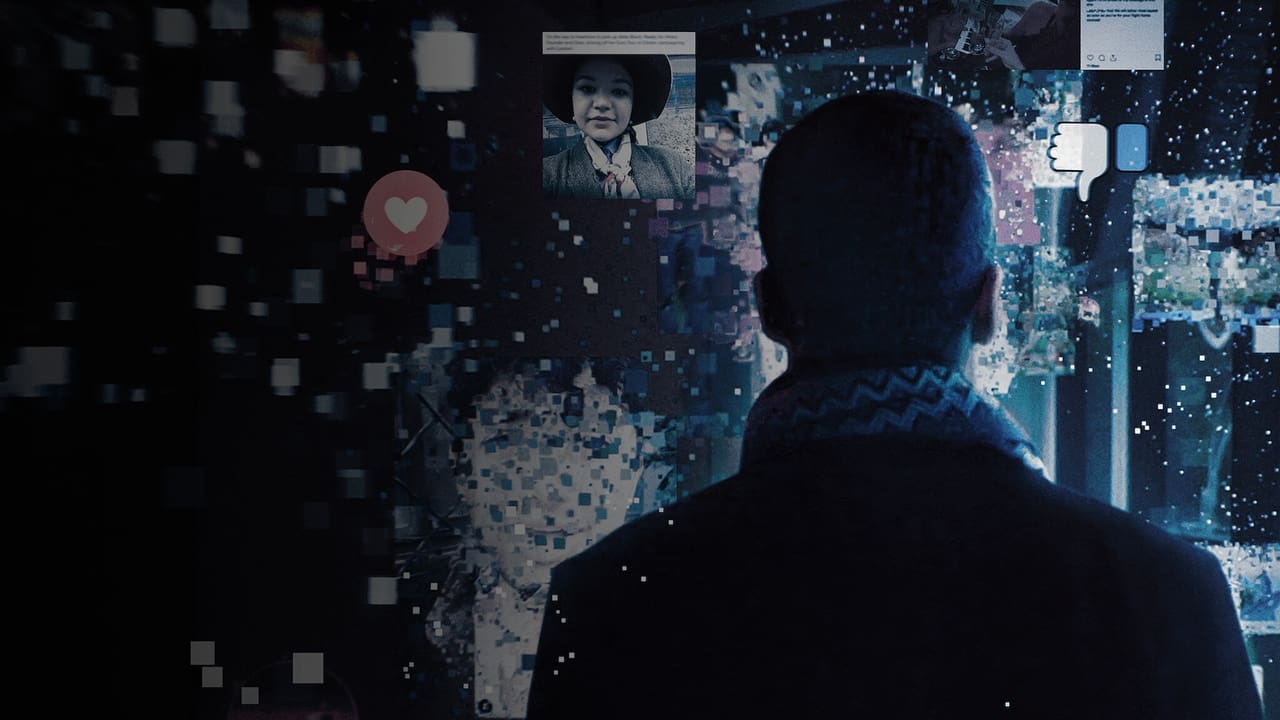


Art and books
Full reel →
Under an hour
Full reel →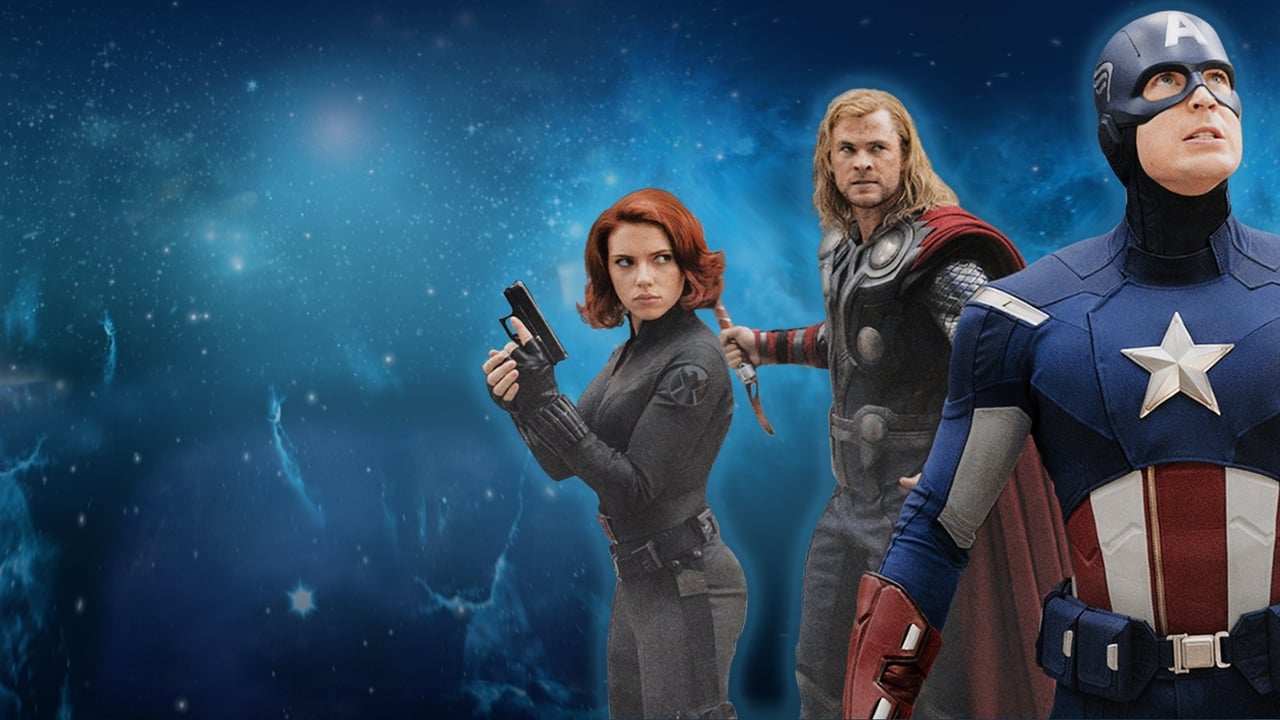


Index
040Music062Film and television040Nature, science and life025Sport and daring037Business and society023Art and books030Short documentaries069Long form008Television documentaries032Before 2010110The 2010s0792020 onwards042Top rated
The CipFlix guide to documentaries
CipFlix: documentaries worth an evening, from Super Size Me, Marley and Diego Maradona to Fantastic Fungi, Stories We Tell and The Alpinist
The documentary has had a remarkable thirty years. Cameras became small enough to follow a climber up a frozen waterfall and cheap enough to leave running in a kitchen for a decade; archives opened; streaming services discovered that a true story, well told, holds an audience as firmly as any thriller. The result is a shelf of films about real people and real things that is richer than it has ever been, and far too large for anyone to browse unaided. CipFlix is a guide to 221 English-language documentaries, made between 1995 and 2026. Each has its own page, its subject, its director, and a Watch now button that leads to the official services carrying it in your country.
The catalogue has been chosen for the whole household. Every summary was read by hand, and the selection keeps to music, film and television, nature and science, sport, business and technology, the arts and portraits of interesting lives. Films about crime, the battlefield and adult subjects were left out, as were campaigning films on the most divisive questions of the day, concert recordings and stand-up specials. What remains includes a man who eats at one restaurant for a month, a singer from Kingston who became the voice of a continent, a footballer adored by a city, the hidden network beneath a forest floor, a daughter's inquiry into her own family, and a young Canadian who climbed alone because he preferred it that way.
The guide is arranged by subject, in the order of the reels on the home page: music first, then film and television, nature and science, sport, business and society, and art and books. Sections on short films, family viewing and how to choose follow, with three films proposed for a first evening. The closing parts cover search, the lists and My List. Every film title is a link.
What CipFlix offers
CipFlix is a viewing guide. It keeps neither films nor downloads on its pages; it tells you what each documentary is about and who made it, and then hands you to the legal services that carry it. The how to watch page sets out the three steps: find a film, read its page, choose your country and press Watch now. The button opens JustWatch, an independent directory of streaming, rental and purchase services, on the entry for that film, so the answer is always current for the place where you live.
The 221 films divide into six subject lists: sixty-two on film and television, forty on music, forty on nature, science and everyday life, thirty-seven on business and society, twenty-five on sport and daring, and twenty-three on art and books. Thirty-two were made before 2010, 110 in the 2010s and seventy-nine since 2020. Thirty run for an hour or less, sixty-nine for a hundred minutes or more, and eight were made for television. Thirteen lists in all arrange the catalogue, and the top rated list gathers the forty-two titles that viewers have scored at 7.3 out of ten or higher.
The home page is laid out like an archive desk. A wide still marked Now screening leads, with a caption strip giving the year, the length and the rating. Seven numbered reels follow, one for each subject and one for short films, each showing four wide pictures; under every picture a line of small type gives the same three facts. An index of file tabs at the foot opens every list and shows how many films it holds.
A first evening
Three films make good introductions, one for the eye, one for the ear and one for the heart. Fantastic Fungi, from 2019, is eighty minutes of astonishment. The director Louie Schwartzberg has spent most of his working life photographing plants in time-lapse, one frame every few minutes, and here he turns his cameras on mushrooms: caps unfurling like umbrellas, threads racing through leaf litter, colours that seem invented. Around these images the film builds a clear account of what fungi do, how the threads beneath a forest link tree to tree and carry food and signals between them, and what researchers hope to learn from them. It is the rare science film that children ask to see twice.
Marley, directed by Kevin Macdonald in 2012, is the definitive life of Bob Marley, made with the cooperation of his family and with access to recordings and film seldom seen before. It begins in the hill village where he was born, the son of a young Jamaican woman and a much older Englishman he barely knew, follows him to the yards of Trenchtown and the first records, and travels with the band to London, Africa and America. Friends, musicians, his wife and his children speak with unusual frankness, and the music is given room to breathe. It runs for nearly two and a half hours and earns every minute.
Mad Hot Ballroom, from 2005, is a joy. New York's state schools run a ballroom dancing programme for ten- and eleven-year-olds, ending each year in a city-wide competition. The film follows three classes from three very different neighbourhoods as they learn the merengue, the foxtrot, the rumba and the tango, discover that boys and girls must hold hands, and find out what it is to work for something. The children's opinions on life, delivered between lessons, are as good as the dancing. It is suitable for all ages and may send the whole family to the living room floor.
Reel 01: music
Forty films are about music, and the music guide arranges them. They are portraits and histories, and all are full of songs. The oldest subject is covered in Louis Armstrong's Black & Blues, which draws on the hundreds of tapes Armstrong recorded at home, talking to friends and to himself, to tell his story in his own gravelly voice. B.B. King: The Life of Riley, narrated by Morgan Freeman, follows the blues guitarist from a Mississippi plantation to the concert halls of the world, and Mr. Dynamite: The Rise of James Brown charts the years in which a singer from Georgia changed the rhythm of popular music.
The sixties are well served. Beatles '64, produced by Martin Scorsese, restores the footage shot by two young film-makers during the group's first fortnight in America, in the hotel rooms, on the train and in the crowds, and sets it beside the memories of the fans who screamed. My Generation has the actor Michael Caine as guide to the London of the same years, when working-class photographers, designers and musicians took over the town. Echo in the Canyon visits the Los Angeles hillside where the Byrds, the Beach Boys and the Mamas and the Papas lived within walking distance of one another, and The Beach Boys tells the story of the family band that invented the sound of California. Standing in the Shadows of Motown honours the Funk Brothers, the Detroit studio musicians who played on more number one records than any group in history and whose names almost nobody knew.
If These Walls Could Sing, directed by Mary McCartney, is a history of the Abbey Road studios, where her father's group, Pink Floyd, an orchestra recording film scores and a great cellist all worked in the same rooms. The Velvet Underground, by Todd Haynes, recreates the New York art world of the mid-sixties on a split screen; it is the most adventurous film on the list and is suited to older viewers. Hallelujah: Leonard Cohen, a Journey, a Song traces the long, strange career of a single song, turned down by its record company and now sung at weddings and funerals everywhere. Linda Ronstadt: The Sound of My Voice, Love to Love You, Donna Summer, Liza: A Truly Terrific Absolutely True Story and Selena y Los Dinos: A Family's Legacy are affectionate portraits of four remarkable singers.
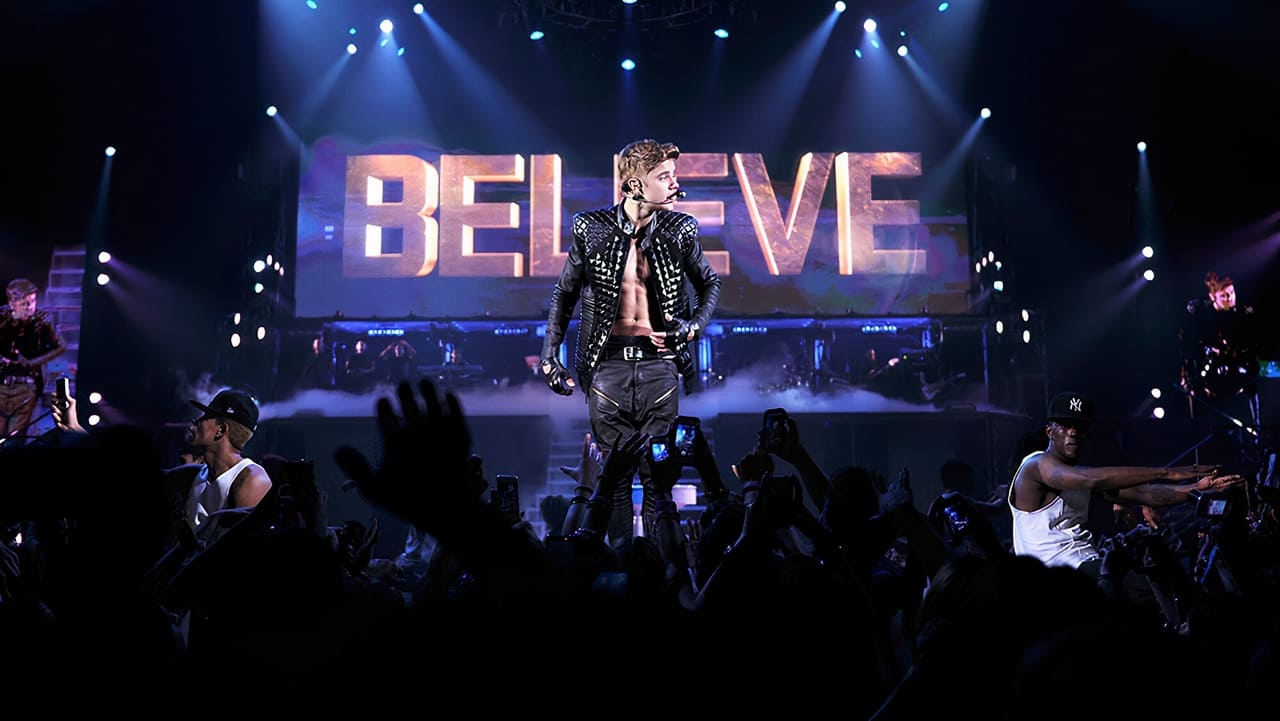
Musicians at work today appear in some of the most intimate films. American Symphony follows the pianist and bandleader Jon Batiste through a year in which he is composing a large orchestral work for Carnegie Hall while his wife, the writer Suleika Jaouad, is in hospital; it is a film about a marriage as much as about music, and it is deeply moving. Bruce Springsteen's Letter to You, shot in black and white in a snowbound New Jersey studio, watches a band of forty years' standing record an album in five days. Bono: Stories of Surrender films the singer's one-man stage show about his parents and his beginnings. Halftime shows Jennifer Lopez preparing for the biggest stage of her career, Justin Bieber's Believe a teenage star growing up in public, and Pentatonix: On My Way Home an unaccompanied vocal group on tour.
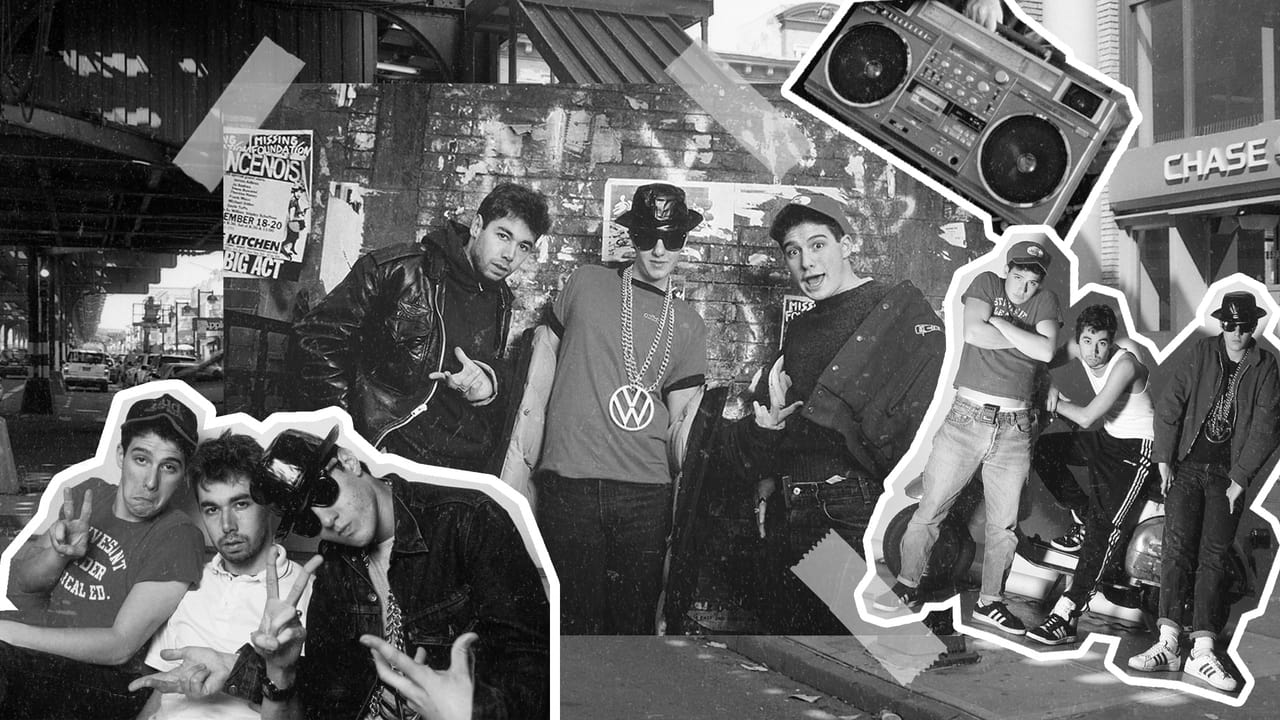
Two short films deserve special mention. The Only Girl in the Orchestra, thirty-five minutes long, is a portrait of Orin O'Brien, the double bass player who in 1966 became the first woman to hold a permanent place in the New York Philharmonic, and who at eighty-seven still insists that the best place to be is at the back, supporting everyone else; it won the Academy Award for short documentary. A Concerto Is a Conversation, thirteen minutes long, is a talk between the composer Kris Bowers and his grandfather, who left the South as a young man and built a business in Los Angeles. End of the Century: The Story of the Ramones, Gimme Danger, The Stone Roses: Made of Stone, David Bowie: Finding Fame, Keith Richards: Under the Influence and Beastie Boys Story tell the stories of bands and performers who shaped rock music, and Every Little Step goes behind the auditions for a Broadway revival of A Chorus Line.
Reel 02: film and television
Sixty-two films are about the screen itself, and the film and television guide sorts them. For anyone who loves cinema they are the best film school available. The portraits of directors come first. In De Palma, the director of some forty films simply sits in a chair and talks through his career, picture by picture, with complete candour about what worked and what failed. Altman does the same for a great American maverick through the memories of his family and actors. Made in England: The Films of Powell and Pressburger is Martin Scorsese's personal tribute to the two men who made The Red Shoes and A Matter of Life and Death, films he first saw as a sick child on a small black-and-white television; it will send viewers straight to the originals.
Orson Welles has two films. Magician: The Astonishing Life and Work of Orson Welles is a brisk account of the life, from boy wonder to wandering legend, and The Eyes of Orson Welles, by Mark Cousins, approaches him through the hundreds of drawings and paintings he made and kept in boxes. David Lynch: The Art Life lets another director talk about his childhood and his years as a painter. The Real Charlie Chaplin and I Am Alfred Hitchcock introduce two founders of the art, Corman's World celebrates the producer who gave half of Hollywood its first job, and Django & Django: Sergio Corbucci Unchained is a lesson on the Italian western delivered by an enthusiast. Liv & Ingmar recalls the long friendship of an actress and her director, and Lynch/Oz and What Is Cinema? are essays for the committed.
The portraits of actors are warmer. Sidney, produced by Oprah Winfrey, is a full and loving life of Sidney Poitier, who grew up on a small island in the Bahamas and became the first Black actor to win the Academy Award for a leading role. Remembering Gene Wilder revisits the gentlest of comic stars with the help of Mel Brooks. Becoming Cary Grant uses the actor's own unpublished memoir to tell how a boy from Bristol invented the most elegant man on the screen. I Knew It Was You: Rediscovering John Cazale, forty minutes long, pays tribute to an actor who made five films, every one of them nominated for best picture. Love, Marilyn has actors of today read from Marilyn Monroe's private notebooks, Harry Dean Stanton: Partly Fiction listens to a great character actor sing, and What Would Sophia Loren Do? is a charming half-hour about an Italian-American grandmother and her lifelong model.
Comedians have a shelf to themselves. Jim & Andy: The Great Beyond is built from footage, locked away for twenty years, of Jim Carrey on the set of a film in which he played the eccentric comedian Andy Kaufman and declined to step out of the part for four months. Albert Brooks: Defending My Life is a conversation between two old schoolfriends, one of whom became a director and the other the subject. Marty, Life Is Short, Being Eddie and Gilbert are portraits of Martin Short, Eddie Murphy and Gilbert Gottfried, and The Bill Murray Stories: Life Lessons Learned from a Mythical Man collects the tales of ordinary people who have found a film star washing up at their party. Comedian follows Jerry Seinfeld as he throws away his old jokes and builds a new act from scratch in small clubs, and Exporting Raymond sends an American television writer to Moscow to help make a Russian version of his family comedy, with instructive results. Monty Python: The Meaning of Live goes backstage at a famous reunion.
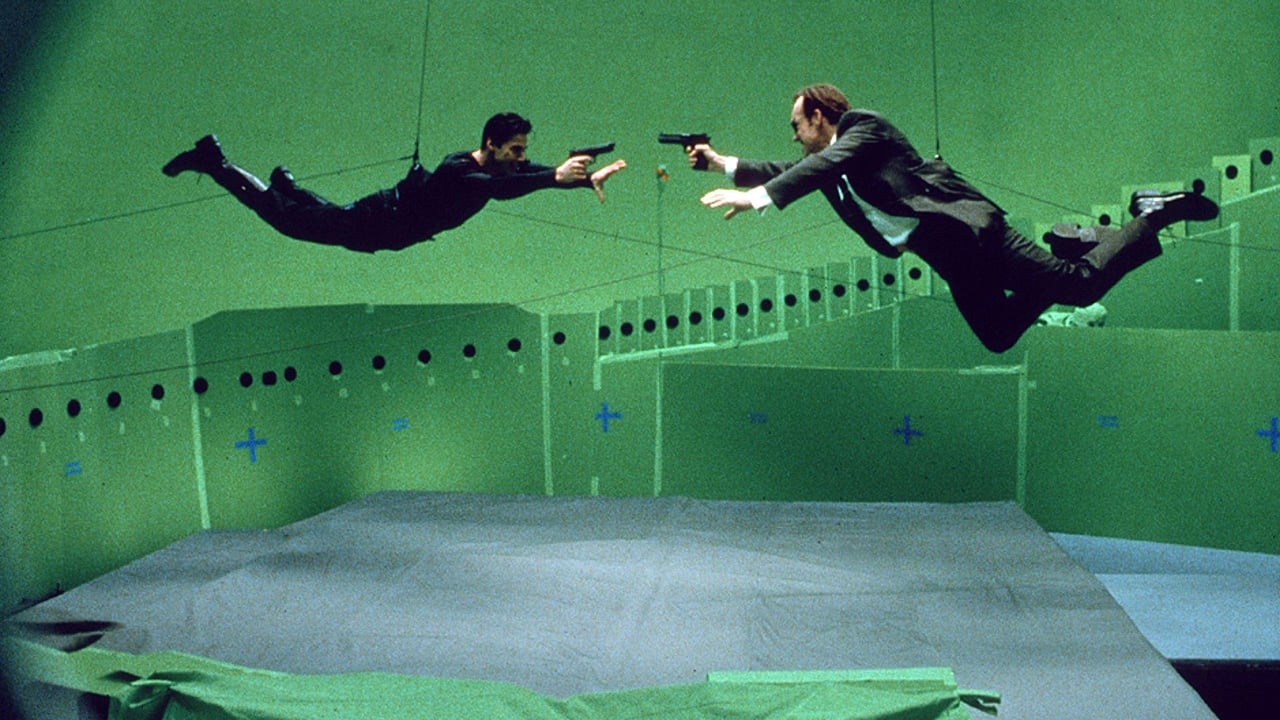
Then there are the films about how films are made, which children who love a particular picture will devour. The Making of 'Jurassic Park' shows how the dinosaurs were built, full-size and in the computer. The Story Behind 'Toy Story' explains the first feature made entirely by computer animation. Pure Imagination: The Story of 'Willy Wonka & the Chocolate Factory' reunites the children who toured the factory, The Shark Is Still Working tells the story of Jaws, and The Matrix Revisited, 2001: The Making of a Myth, Reflections on Titanic and The Curious Birth of Benjamin Button take apart four technical landmarks. The worlds of comic-book cinema are covered by Marvel Studios: Assembling a Universe, Thor: From Asgard to Earth, The Batmobile and several short films about the making of Star Wars, among them Star Wars: The Legacy Revealed, Secrets of the Force Awakens: A Cinematic Journey and Under the Helmet: The Legacy of Boba Fett.
A last group looks at the people behind the camera and the history of the trade. Casting By is a tribute to the casting directors who discovered the stars of the seventies, and Cameraman: The Life and Work of Jack Cardiff to the greatest colour cinematographer. Cameraperson is a memoir assembled by a documentary camerawoman from twenty-five years of her own footage. The Kid Stays in the Picture is the swaggering autobiography of a Hollywood producer, Reel Injun a thoughtful history of how Native Americans have been shown on screen, told by a Cree film-maker on a road trip, and In Search of Tomorrow a five-hour celebration of the science fiction films of the eighties. In Search of the Last Action Heroes, Becoming Bond, kid 90 and Freaks and Geeks: The Documentary are for the nostalgic.
Reel 03: nature, science and life
Forty films look at the natural world, at discovery and at ordinary families, and the nature and science guide lists them. The Last of the Sea Women, from 2024, is set on the Korean island of Jeju, where women in their sixties, seventies and eighties still dive on a single breath for sea urchins and abalone, as their grandmothers did. They are funny, tough and worried about the sea, and the film follows them from the harbour to an international meeting. Jago: A Life Underwater is a forty-eight-minute portrait of an eighty-year-old fisherman of the Indonesian islands who has hunted on the reef since childhood, filmed with great beauty. Arctic Tale follows a polar bear cub and a walrus calf from birth to adulthood and is narrated for children.
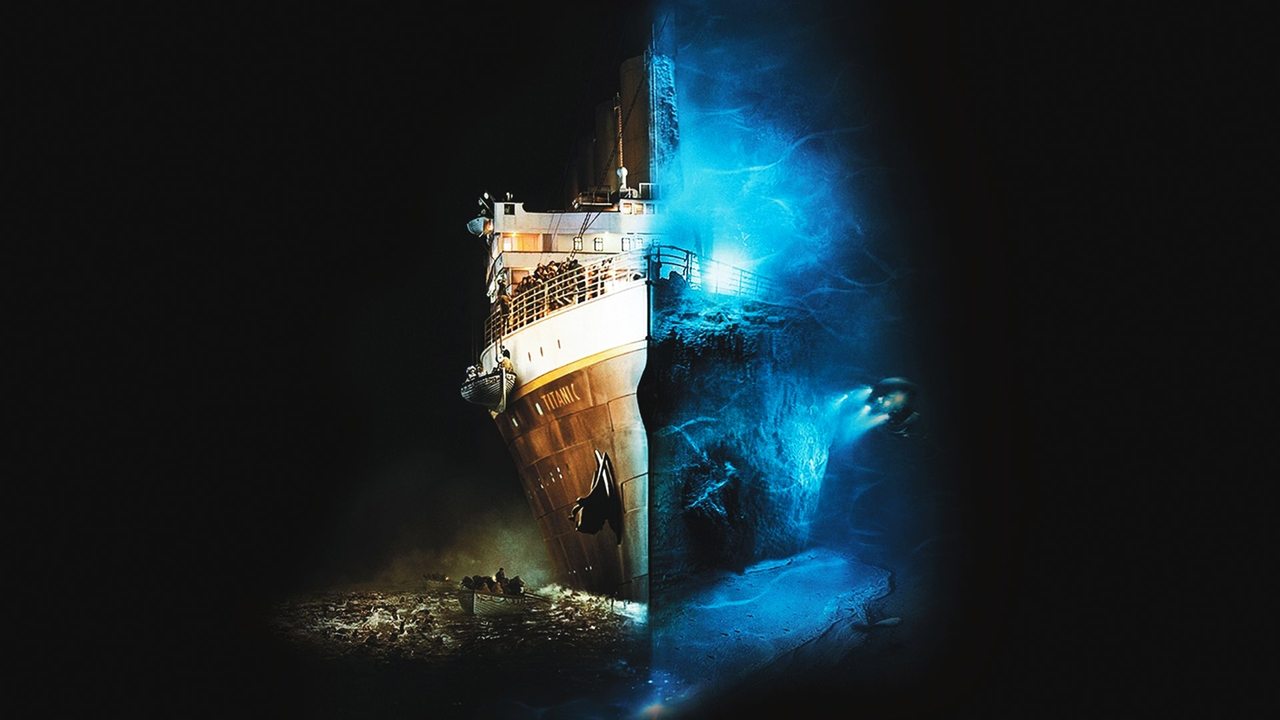
The polar regions and the deep sea have drawn some of the best film-makers. The Endurance, from 2000, tells the story of Ernest Shackleton's expedition of 1914, whose ship was crushed in the Antarctic ice and whose twenty-eight men all came home, using the photographs and film taken at the time. Endurance, from 2024, joins the search that found the wreck, upright and intact, three thousand metres down. Ghosts of the Abyss accompanies James Cameron in a submersible to the Titanic, and Titanic: 20 Years Later with James Cameron tests what his film got right. The Fire Within: A Requiem for Katia and Maurice Krafft is Werner Herzog's tribute to two French scientists who spent their lives filming volcanoes at close range; the images they brought back are among the most extraordinary ever recorded.
Science and invention are represented by Tesla, an hour-long life of the engineer whose ideas light the modern world; Bombshell: The Hedy Lamarr Story, about a film star of the forties who spent her evenings inventing and whose idea underlies today's wireless communications; Mysteries of the Terracotta Warriors and Pompeii: Secrets of the Dead, two films of archaeology; and Sea Monsters: A Prehistoric Adventure, made for young dinosaur enthusiasts. Project Nim recounts an experiment of the seventies in which a young chimpanzee was raised in a human family and taught sign language; it raises hard questions and suits older viewers. Food and the environment are the subjects of Super Size Me, Morgan Spurlock's famous month on a fast-food diet, its sequel Super Size Me 2: Holy Chicken!, Cowspiracy: The Sustainability Secret, Sustainable, Hack Your Health: The Secrets of Your Gut, An Inconvenient Sequel: Truth to Power, Ice on Fire and the hopeful 2040, in which a father imagines the world his small daughter could inherit if the best existing ideas were put to use.
Families and everyday life
The same reel holds a group of films about family, which are among the most affecting in the catalogue. Stories We Tell, by the Canadian actress and director Sarah Polley, begins as a portrait of her late mother, a lively woman remembered differently by each of her children, her husband and her friends, and becomes an inquiry into a family secret and into the way every family edits its own history. It is ingeniously made and full of love. Blink, from 2024, follows a couple from Montreal who learn that three of their four children have a condition that will slowly take their sight; they ask the children what they would most like to see, write a list, and set off round the world for a year. The list includes drinking juice on a camel.
Dads, directed by Bryce Dallas Howard, collects fathers of every kind, famous and otherwise, talking about the job. How Do You Measure a Year? is twenty-nine minutes long: a father filmed his daughter on each birthday from two to eighteen, in the same chair, asking the same questions. Nǎi Nai & Wài Pó, seventeen minutes long and nominated for an Academy Award, is a grandson's film about his two grandmothers, who share a house, a bed and a great many jokes. Meet the Patels is a comedy in documentary form, in which an American actor of Indian family agrees to let his parents find him a wife. Some Kind of Heaven visits an enormous retirement town in Florida and four of its residents, and Batkid Begins tells how a city came out to grant the wish of a five-year-old.
A few titles here are for reflective evenings. The Reason I Jump takes its words from a book written by a thirteen-year-old Japanese boy with autism and uses sound and image to suggest how five young people around the world experience their days. Heart of a Dog is a meditation by the musician Laurie Anderson on memory and on those she has lost, told with her terrier as guide. Visitors, by Godfrey Reggio, consists of seventy-four long, silent, black-and-white shots of faces and landscapes with music by Philip Glass, and Ascension observes work and leisure in modern China with barely a word of commentary. Sweetgrass accompanies the last shepherds to drive their flocks into the mountains of Montana for the summer.
Reel 04: sport and daring
Twenty-five films are about sport and physical courage, and the sport guide introduces them. Diego Maradona, by Asif Kapadia, is assembled entirely from footage of the time, much of it shot by cameramen the player himself had hired. It concentrates on his seven years at Naples, a poor club in a proud southern city, which he carried to its first championships and which loved him to distraction. The film is as much about fame as about football and is best for older viewers. I Am Ali tells the boxer's story through the audio tapes he made of his own telephone calls to his children, and Unforgivable Blackness: The Rise and Fall of Jack Johnson, by Ken Burns, is the life of the first Black heavyweight champion of the world.
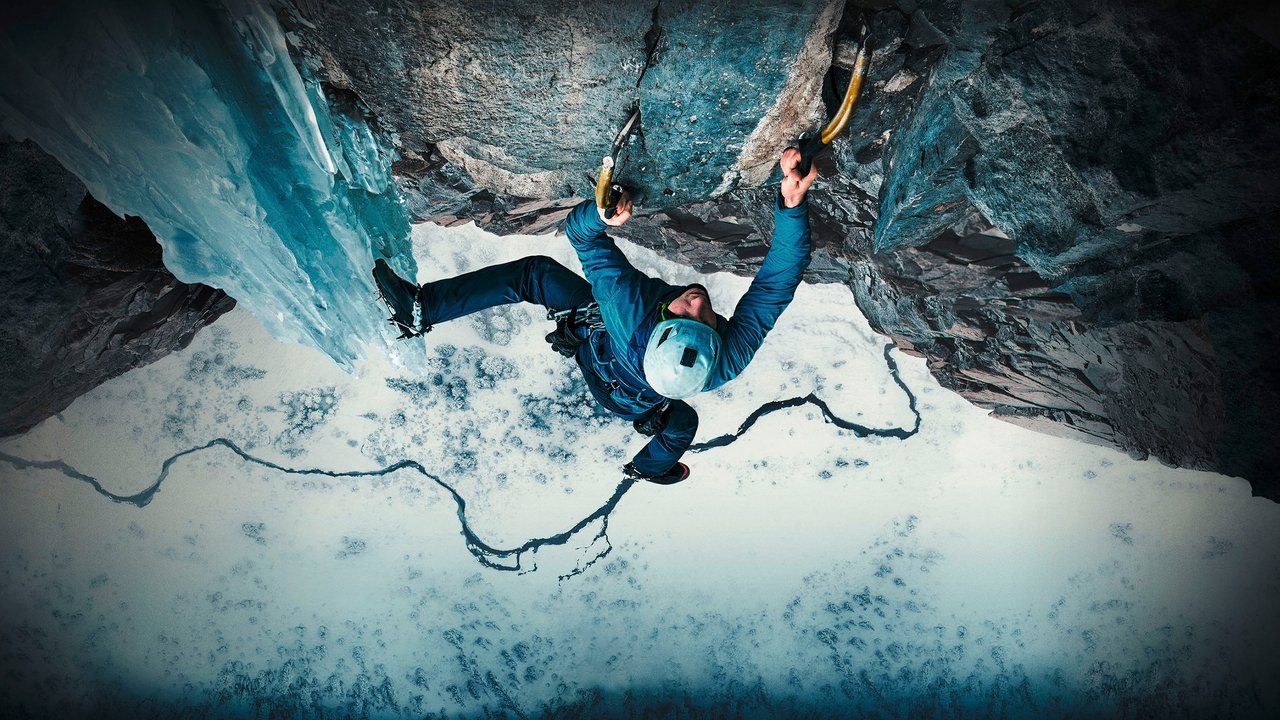
Climbers are well represented. The Alpinist follows Marc-André Leclerc, a shy young Canadian who climbed some of the hardest ice and rock routes in the world alone, often telling nobody, and who had so little interest in being filmed that the directors lost track of him for months. Torn was made by the eldest son of a celebrated American mountaineer, about his father, his mother and the family friend who became his stepfather. Beyond The Edge recreates the first ascent of Everest in 1953 using the expedition's own colour film and the voices of Hillary and Tenzing. All three treat the risks of the sport honestly.
Speed and nerve supply another group. The 24 Hour War recounts the rivalry of the sixties between Ford and Ferrari at the Le Mans endurance race. Love the Beast is the actor Eric Bana's film about the car he bought at fifteen and has rebuilt three times with the same three friends. APEX: The Story of the Hypercar and Top Gear: The Perfect Road Trip are for motoring enthusiasts. Sunshine Superman is the high-spirited story of the cameraman who invented the sport of parachuting from cliffs and buildings, Stuntman follows a veteran of Hollywood stunt work as he attempts the rocket jump that defeated his boyhood hero, and Being Evel is a life of that hero. The Blue Angels, filmed for the giant screen, flies with a naval display team through a season.
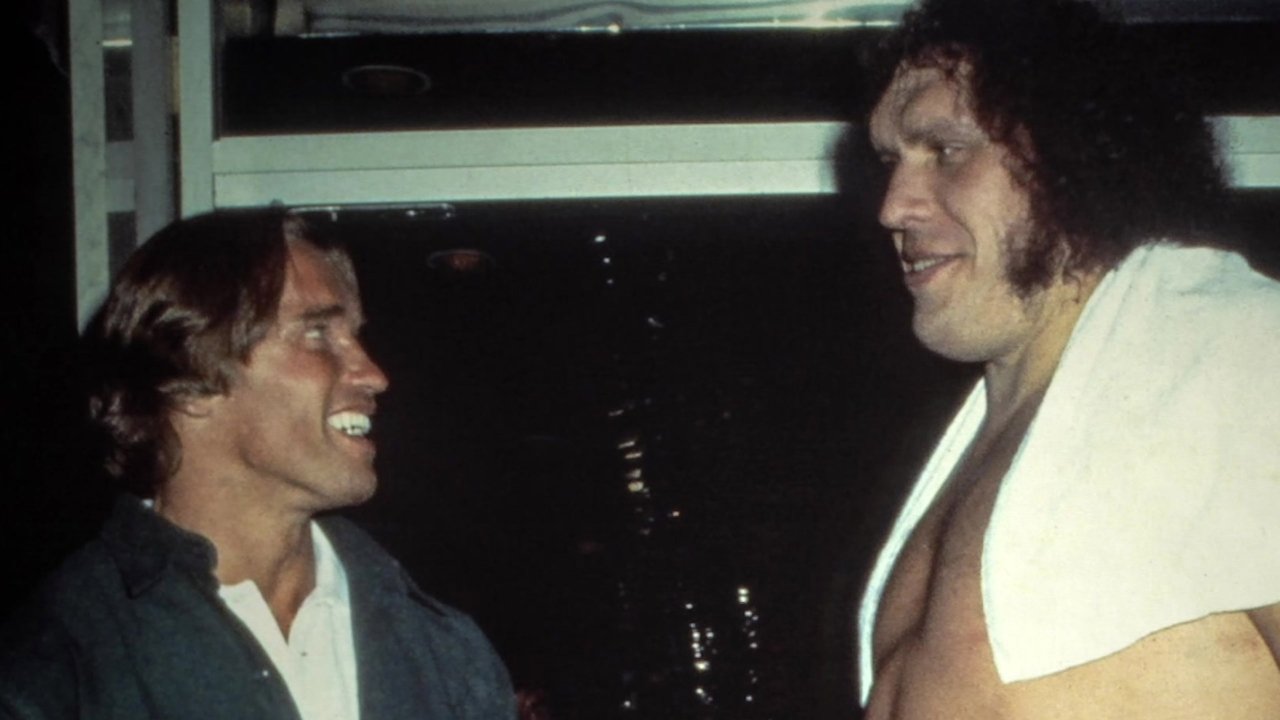
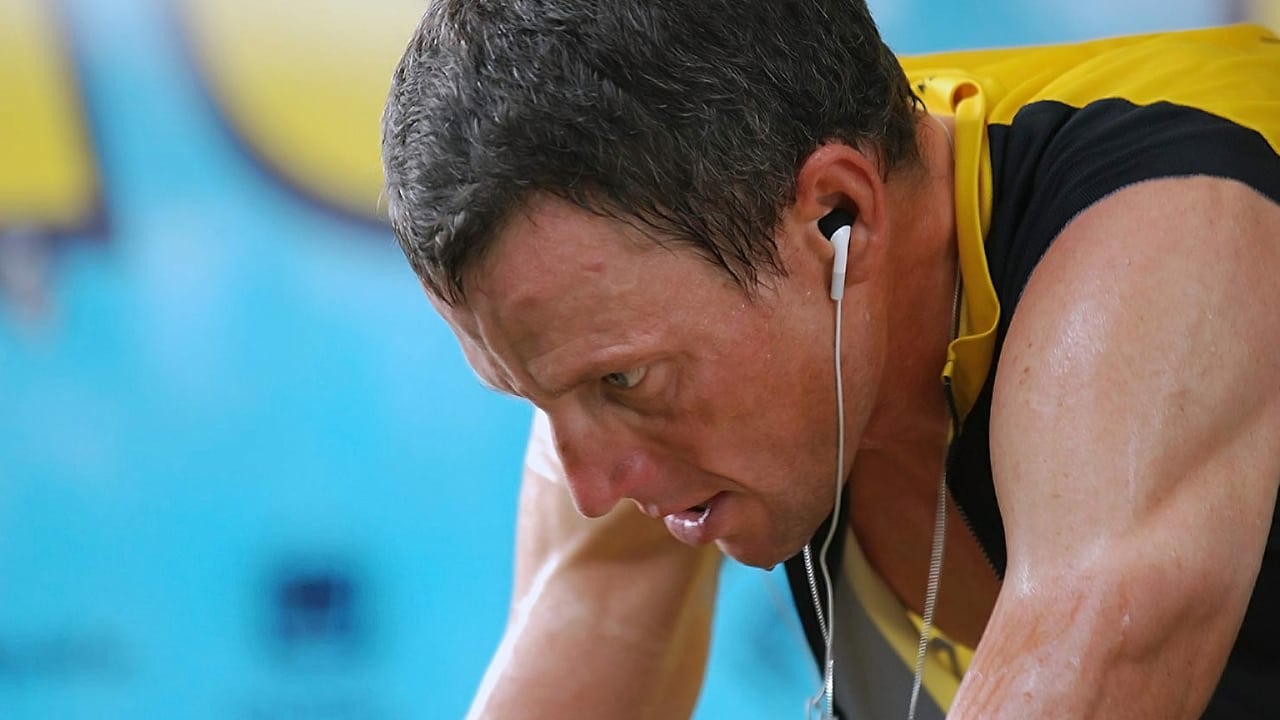
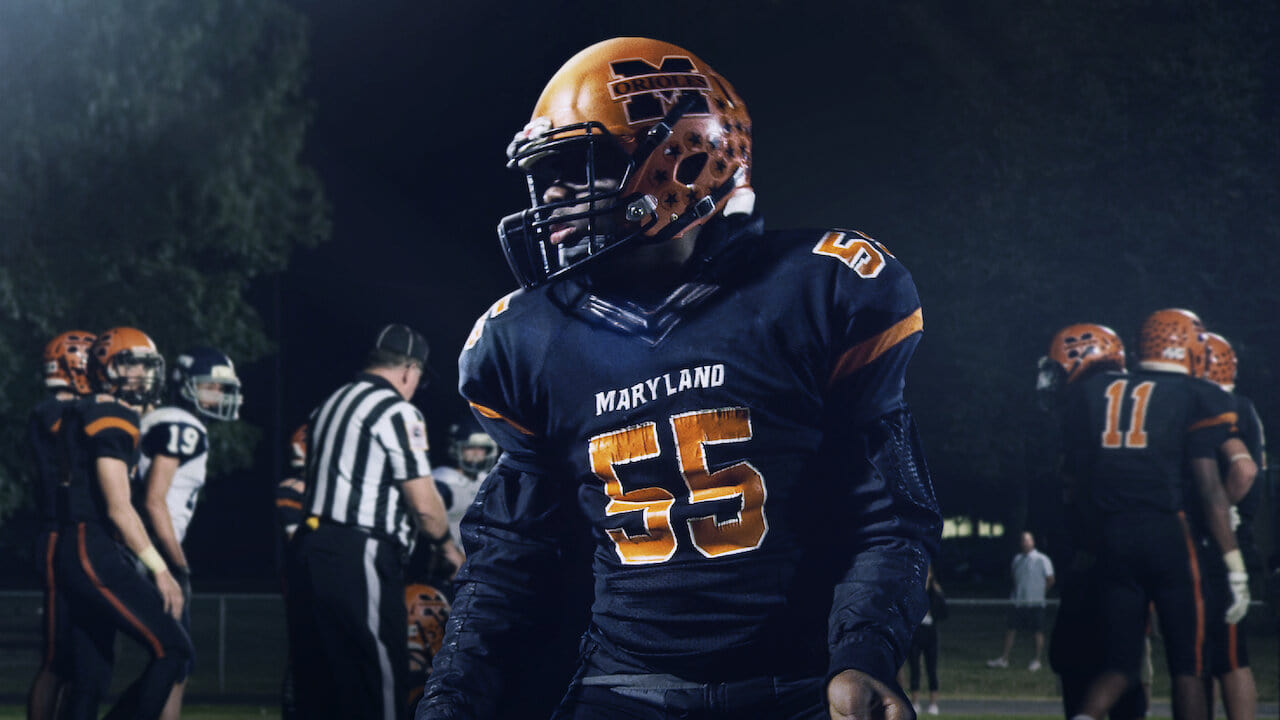
The quieter contests are just as gripping. Bobby Fischer Against the World returns to the chess match of 1972 that the whole world followed, and Untold: Chess Mates to a modern controversy at the board. Be Water and How Bruce Lee Changed the World examine the martial artist's life and influence, Andre the Giant remembers a gentle wrestler of enormous size, and Untold Mr. T: I Pity the Fool tells how a Chicago doorman became a television star. Audible, thirty-nine minutes long, spends a season with the football team of a school for deaf students in Maryland. The Armstrong Lie began as a film about a cyclist's comeback and turned, with events, into a study of how a champion deceived his sport.
Reel 05: business and society
Thirty-seven films examine companies, technology and public life, and the business and society guide arranges them. The best business documentaries are stories of people, and several here are as dramatic as fiction. Startup.com, from 2001, follows two schoolfriends who found an internet company, raise sixty million dollars, hire two hundred people and lose it all within two years, with the camera present at every meeting. WeWork: or The Making and Breaking of a $47 Billion Unicorn tells a similar tale from a later boom. Something Ventured interviews the handful of investors who, in the sixties and seventies, backed the first makers of microchips and personal computers. The Queen of Versailles begins as a portrait of a couple building the largest private house in America and changes course when the financial crisis arrives.
Abacus: Small Enough to Jail, nominated for an Academy Award, is the story of a family-run bank in New York's Chinatown and the Sung family's five-year effort to clear its name; the father and his four daughters are wonderful company. The Barber of Little Rock, thirty-five minutes long, profiles a barber who founded a community bank. Perfect Bid: The Contestant Who Knew Too Much is lighter, about a mathematics teacher who memorised the price of every prize on a television game show. Making Fun: The Story of Funko and Tiny Shoulders: Rethinking Barbie look inside two toy makers, Starbucks Unfiltered and MoviePass, MovieCrash inside two very different companies, and POM Wonderful Presents: The Greatest Movie Ever Sold is a comic investigation of advertising paid for entirely by advertisers.
The larger questions are put by The Corporation, a long and searching Canadian film about the modern company as an institution; Inequality for All and Saving Capitalism, two engaging lectures by the economist Robert Reich; Capital in the Twenty-First Century, from the book by Thomas Piketty; and Buy Now! The Shopping Conspiracy, on what becomes of the things we order. The Yes Men follows two pranksters who impersonate spokesmen at business conferences. Page One: Inside the New York Times spends a year at the media desk of a great newspaper as the internet upends its trade.
Public life and education supply the rest of the reel. The Way I See It is a portrait of the official White House photographer under two presidents and of the job of standing silently in the corner of history. Meeting Gorbachev records three long conversations between Werner Herzog and the last Soviet leader. Deaf President Now! tells the story of eight days in 1988 when the students of the world's only university for deaf people closed their campus until it appointed a deaf president. Girls State watches teenage girls from across Missouri build a mock government in a week, He Named Me Malala is a portrait of the Pakistani schoolgirl who won the Nobel Peace Prize, and Waiting for "Superman" follows five American children hoping for a place at a better school. The Black Power Mixtape 1967-1975 is built from film shot by Swedish television reporters and found in an archive thirty years later, and The Princess retells the public life of Diana, Princess of Wales, using only the news footage of the time.
How documentaries are made
It adds to the pleasure of the catalogue to know the handful of methods from which nearly every documentary is built, since each asks to be watched in its own way. The oldest is the archive film, assembled from footage that already exists. The director's work is done in the cutting room, choosing from hundreds of hours of newsreel, television and home movies and arranging them so that the past appears to unfold in the present tense. Diego Maradona, The Princess and The Black Power Mixtape 1967-1975 are pure examples, with voices heard over the pictures and hardly a modern interview in sight. Watch these as you would a drama, and notice how often the most telling shot is the one a news cameraman kept running after the official event had finished.
The second method is observation. A small crew, often two people, spends weeks or months with its subjects until the camera is forgotten, then shapes a story from what happened. Startup.com is a celebrated instance: the film-makers began on the day the company was founded, with every prospect of recording a triumph, and stayed to the end. Mad Hot Ballroom, Girls State, Some Kind of Heaven and Sweetgrass were all made this way. Observational films tend to be generous to the people in them, because a director who has shared a year with a family, a school or a team usually comes to like them, and they reward the viewer who enjoys reading faces.
The third is the interview film, in which people look back. At its plainest this is a row of speakers intercut with photographs, but the best directors turn conversation into something richer. Errol Morris, who made The Pigeon Tunnel, invented a device that lets his subject look straight into the lens while seeing the director's face, so that John le Carré seems to confide in each viewer personally. Werner Herzog, in Meeting Gorbachev, makes his own curiosity and his own voice a part of the film. In Albert Brooks: Defending My Life two old friends simply have lunch. Interview films are the easiest to follow on an ordinary weeknight and a good choice when several generations are watching together.
The fourth is the personal essay, in which the film-maker steps in front of the camera and makes the search itself the story. Looking for Richard, Stories We Tell, Love the Beast, Super Size Me and Dear Mr. Watterson all belong here. Their charm depends on the company of the person leading the inquiry, and the form allows for a good deal of humour. Many modern documentaries mix all four methods, and a few add a fifth: recreation with actors or animation, used in Beyond The Edge to place the viewer on the final ridge of Everest and in Frida to set a painter's canvases in gentle motion.
More from the reels
A number of films deserve a mention beyond the tours above. On the music reel, Michael Jackson's Journey from Motown to Off the Wall, directed by Spike Lee, covers the years in which a child star became an adult artist and ends with the making of a single album; it is detailed, joyful and full of dancing. SLY LIVES! (aka The Burden of Black Genius), by the drummer and director Questlove, considers the bandleader Sly Stone and the weight carried by any artist who is first through a door. Ladies & Gentlemen... 50 Years of SNL Music gathers half a century of performances from one television studio, and Music Box: Yacht Rock: A DOCKumentary is a good-humoured history of the smooth Californian sound of the late seventies, a style that was mocked for decades and is now loved again.
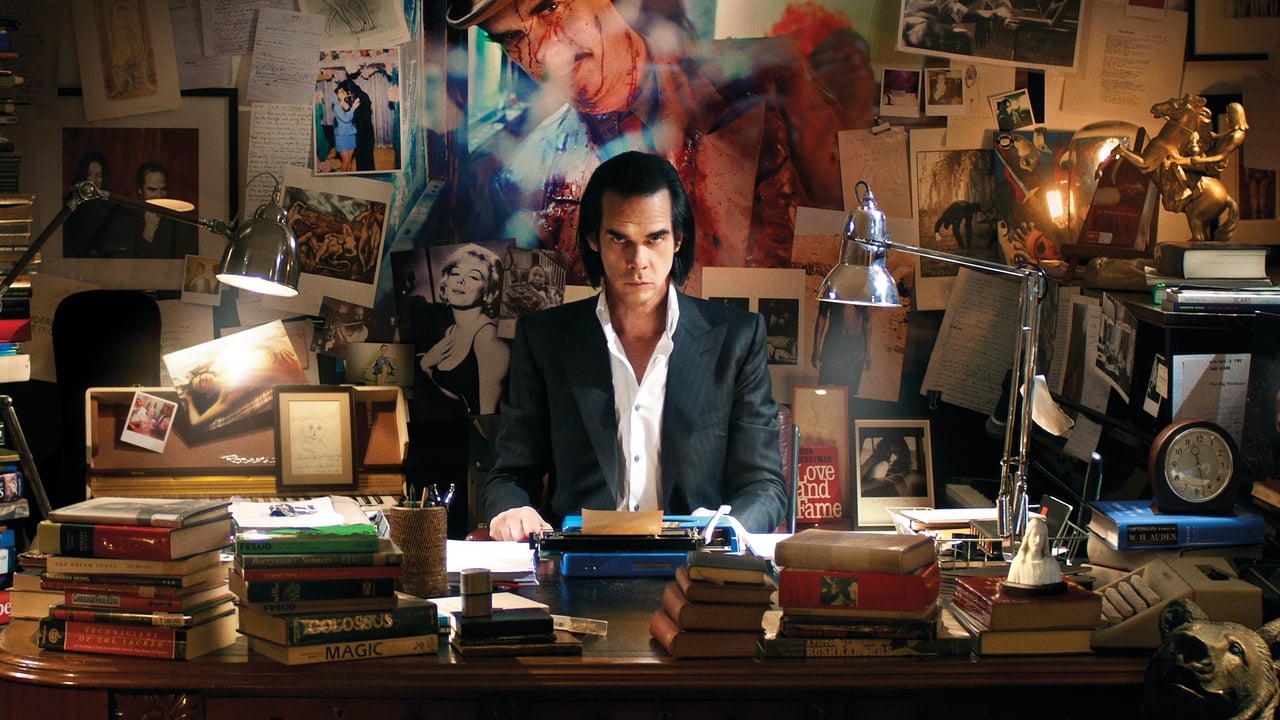
Travelin' Band: Creedence Clearwater Revival at the Royal Albert Hall, narrated by Jeff Bridges, follows an American group on its first European tour in 1970, at the moment when it was outselling every band in the world. Two films about the Australian songwriter Nick Cave suit older viewers: 20,000 Days on Earth invents a single day in his life, with visits to an archive and conversations in a moving car, and One More Time with Feeling, filmed in black and white, watches him complete an album after a family bereavement. Framing Britney Spears, made by a newspaper's film unit, examines how the press treated a young singer and started a wide public conversation.
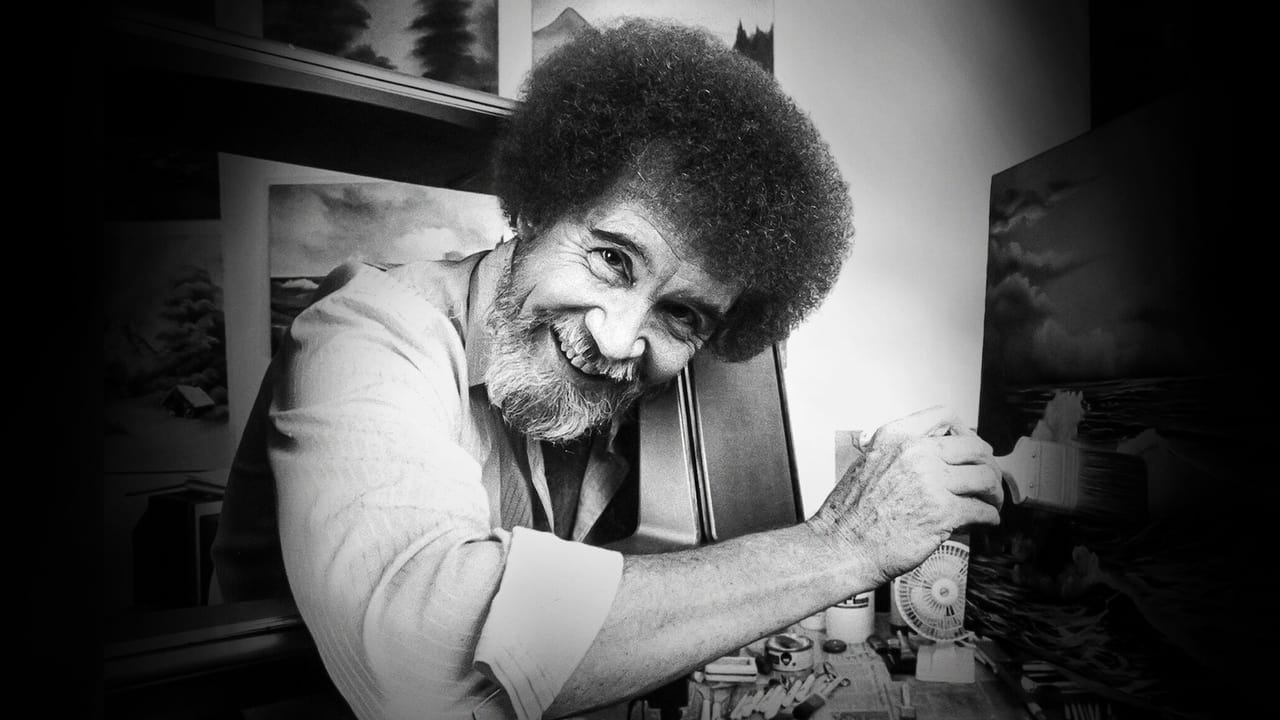
On the film and television reel, admirers of long-running series are looked after. Inside The X-Files and Master of Dark Shadows tell the histories of two programmes with devoted followings, the second a gothic daytime serial of the sixties whose popularity surprised everyone, its makers included. Marvel Studios Assembled: The Making of Loki Season 2 and Andor: A Disney+ Day Special Look visit the sets of recent productions, and Behind the Curtain: Stranger Things: The First Shadow follows a television story as it is rebuilt for the London stage, with all the illusions that a live theatre demands. Tom Cruise: An Eternal Youth surveys four decades of one star's career, and Bob Ross: Happy Accidents, Betrayal & Greed remembers the soft-spoken television painter and the argument over his name that followed; it is one for adults.
The nature and science reel has three films of ideas. InnSæi, from Iceland, takes its title from a word meaning both the sea within and seeing from the inside out, and asks scientists, artists and schoolchildren how intuition works. Somm: Into the Bottle opens ten bottles to tell ten stories about wine, its history, its makers and its vintages. Bikes vs Cars visits São Paulo, Los Angeles, Toronto and Copenhagen to compare how cities move, with cyclists and planners as its guides. S4: The Bob Lazar Story, from 2026, returns to a famous claim about a desert test site and leaves the viewer to weigh the evidence, which makes it a lively subject for discussion with teenagers.
Reading a CipFlix card
Every documentary on CipFlix is shown as a wide still with a line of type beneath it, set in the manner of a label on a film can. The line gives the year, the running time in minutes and the score from the public film database, followed by the title. Opening a card brings up the full page: a large still, the summary, the director and principal contributors, the subject lists the film appears on, and a row of related documentaries chosen from the same reel.
The Watch now button on that page opens JustWatch, an independent directory of official services, with the film already found. JustWatch shows which subscriptions include the documentary in your country and where it may be rented or bought, together with the price. A good many of the titles here were produced by streaming services and remain with them; older films move between services from season to season, which is why CipFlix sends you to a directory that is kept up to date daily. Beside the button sits Add to My List, for the films you mean to come back to.
The home page is laid out as a set of numbered reels, one for each subject, with four stills apiece chosen from the most widely seen films on that shelf. Beneath the reels sits the index, a plain list of all thirteen collections with the number of documentaries in each printed beside the name in the manner of a card catalogue: forty for music, sixty-two for film and television, thirty for the short documentaries, and so on. The index is the quickest route to a mood. Choose the short documentaries for the half hour before bedtime, the long form list for a free afternoon, or the top rated list when you simply want one of the most admired films in the catalogue.
Technology and games
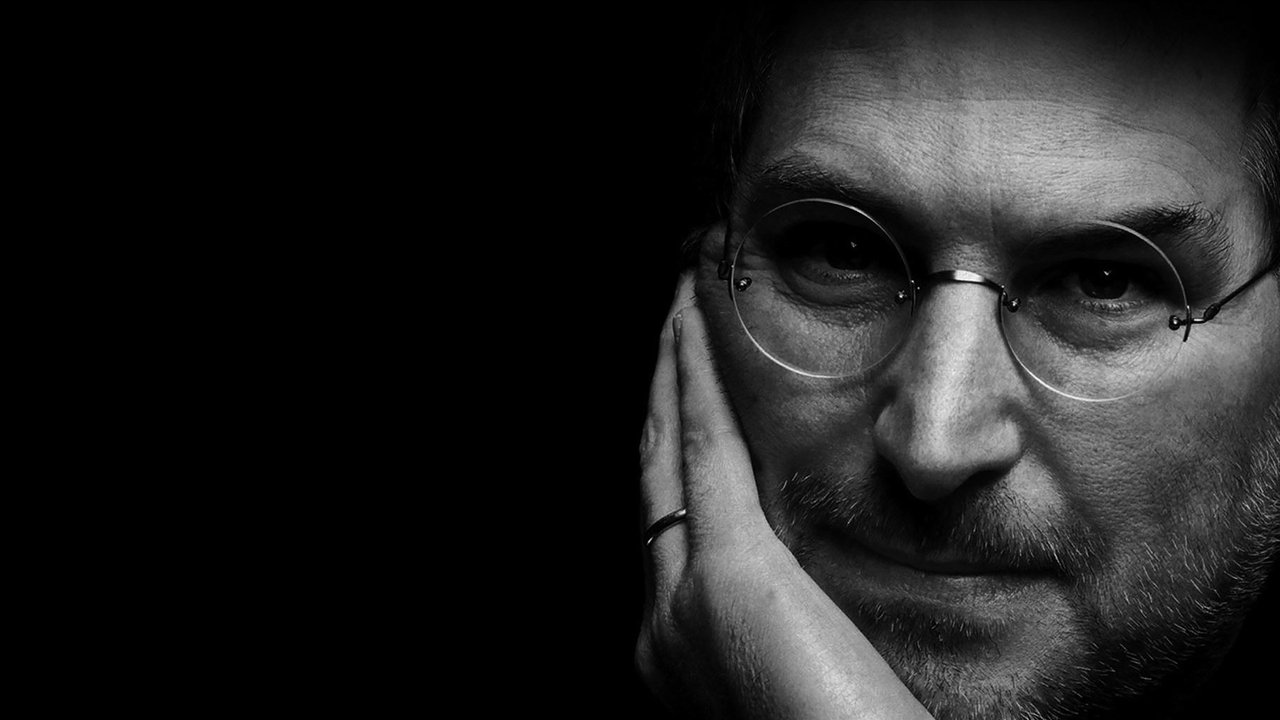
Within the business reel sits a group of films about computers and play, gathered in the technology guide. The Great Hack explains, through the people involved, how personal data from a social network came to be used in election campaigns, and Terms and Conditions May Apply reads the small print that everyone accepts. Coded Bias follows a researcher who noticed that face recognition software failed to see her and set out to learn why. The AI Doc: Or How I Became an Apocaloptimist, from 2026, is a father-to-be's attempt to understand artificial intelligence by asking the people who build it. Steve Jobs: The Man in the Machine is a critical portrait of the founder of Apple.
Video games have their historians. Console Wars recounts the contest of the early nineties between two makers of home consoles, one cautious and dominant, the other brash and inventive. Insert Coin visits the Chicago studio whose arcade machines swallowed a generation's pocket money, Chasing Ghosts: Beyond the Arcade finds the champion players of 1982 thirty years on, and Hideo Kojima: Connecting Worlds profiles a celebrated Japanese designer. California Typewriter, for those who prefer older machines, is a loving film about typewriters and the people, Tom Hanks among them, who refuse to give them up.
Reel 06: art and books
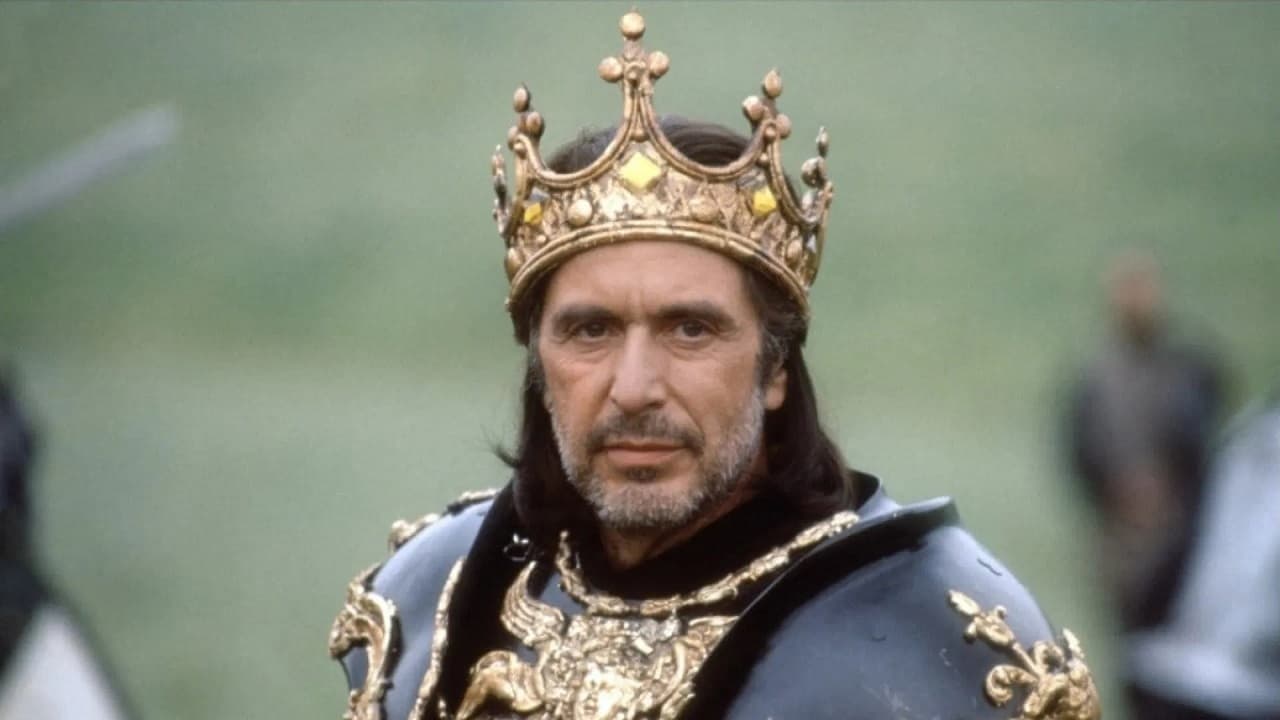
Twenty-three films are about writers, painters, comics and the stage, and the art and books guide lists them. Looking for Richard, the oldest film in the catalogue, was directed by Al Pacino in 1996. He wants to know why American audiences are shy of Shakespeare, and to find out he rehearses Richard III with a company of friends, stops passers-by in the street, visits the playwright's birthplace and argues with scholars. Scenes from the play, fully acted, are woven through the inquiry. It is the most entertaining introduction to Shakespeare ever filmed.
The lives of writers are told in Salinger, on the author who published one famous novel and then withdrew from public view; Kurt Vonnegut: Unstuck in Time, made over forty years by a film-maker who became his subject's friend; The Pigeon Tunnel, Errol Morris's long interview with the novelist John le Carré about his childhood and his father; and Orwell: 2+2=5, by Raoul Peck, on the last years of the author of Nineteen Eighty-Four. Dear Mr. Watterson is a fan's thank-you letter to the creator of a much-loved newspaper comic strip about a boy and his tiger.
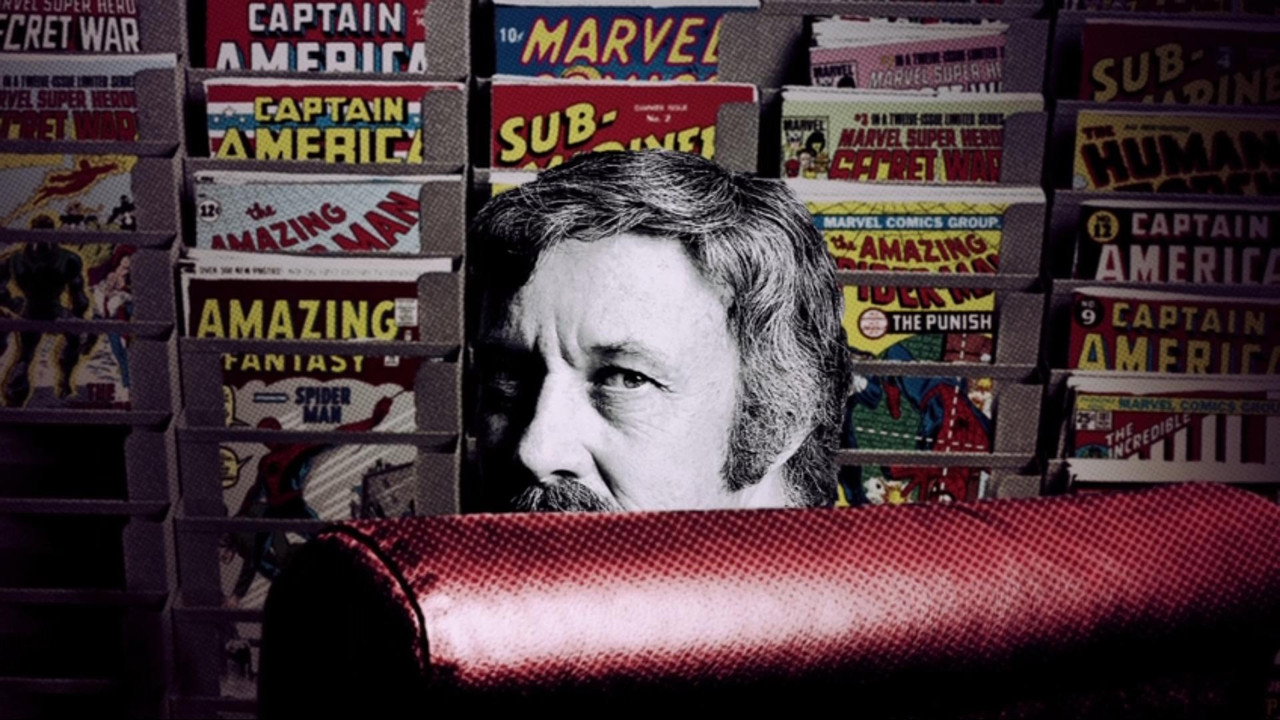
Painters and collectors appear in Frida, from 2024, which tells the life of Frida Kahlo in her own words, from her diaries and letters, with her paintings brought gently to life; in Peggy Guggenheim: Art Addict, about the heiress who assembled one of the great collections of modern art and housed it on the Grand Canal; and in Drew: The Man Behind the Poster, on the illustrator who painted the posters for the best-known adventure films of the eighties. Always at The Carlyle is a history of a New York hotel told by its staff and guests. The world of comic books is covered by With Great Power: The Stan Lee Story, Marvel: 75 Years, from Pulp to Pop!, Look, Up in the Sky! The Amazing Story of Superman and Necessary Evil: Super-Villains of DC Comics, and the stage by Hamilton's America, on the writing of a celebrated musical, and Elaine Stritch: Shoot Me, a portrait of a Broadway star still performing at eighty-seven.
Short documentaries
Thirty films run for an hour or less, and the short documentaries guide sorts them by length. Several of the best have been mentioned: A Concerto Is a Conversation at thirteen minutes, Nǎi Nai & Wài Pó at seventeen, How Do You Measure a Year? at twenty-nine, The Only Girl in the Orchestra and The Barber of Little Rock at thirty-five, and Audible at thirty-nine. All six were nominated for the Academy Award in their category. Star Wars Biomes, eighteen minutes long, is something different, a slow flight over the landscapes of a film series, meant for relaxing. Short films are ideal for a school night, for a first documentary with a young child, or for an evening when attention is in short supply.
The portrait
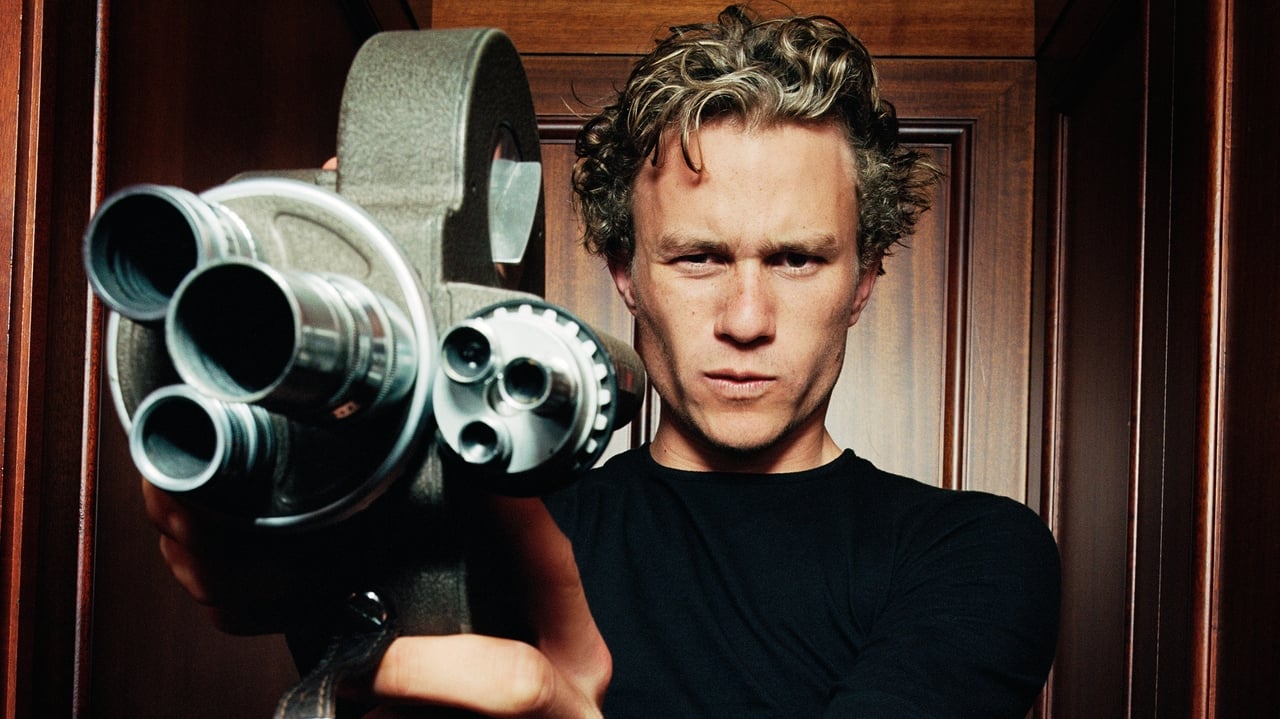
Whatever its subject, the commonest form of documentary is the portrait, and the portraits guide compares the ways of making one. Some are told in the subject's own voice, from tapes, letters and diaries, as in I Am Ali, Frida and Louis Armstrong's Black & Blues. Some are conversations between friends, as in Albert Brooks: Defending My Life and Meeting Gorbachev. The most searching are made from inside the family: Stories We Tell, Torn, and "Sr.", in which the actor Robert Downey Jr. films his father, an underground film-maker of the sixties, during their last years together, and the two of them argue cheerfully about how the film should be edited. I Am Heath Ledger draws on the home videos an actor shot throughout his short life, and I Am Patrick Swayze and Chadwick Boseman: A Tribute for a King are affectionate tributes by colleagues.
Watching with children
Parents often ask which documentaries are suitable for the young, and the family viewing guide answers. For the under-tens, the animal and ocean films are the place to start, Arctic Tale, Sea Monsters: A Prehistoric Adventure and Jago: A Life Underwater, together with the films that explain a favourite picture, such as The Story Behind 'Toy Story'. From about ten, children enjoy Mad Hot Ballroom, Batkid Begins, Blink, Fantastic Fungi, Tesla and the films about games and toys. Teenagers will find a good deal to argue about in The Great Hack, Girls State, Coded Bias and He Named Me Malala, and those who play an instrument should see American Symphony and The Only Girl in the Orchestra.
Older and newer films
Thirty-two films were made before 2010, and the before 2010 guide lists them; they include the works that brought documentaries back to cinemas, Super Size Me, The Corporation and Mad Hot Ballroom among them, as well as Wild Man Blues, which follows an amateur clarinettist better known as a film director on a tour of European concert halls with his jazz band. Seventy-nine films date from 2020 or later, and the recent documentaries guide picks out the strongest: American Symphony, The Last of the Sea Women, Endurance, Sidney, Frida and Deaf President Now!.
How to choose, and a note on content
A documentary asks for a different kind of attention from a drama, and it helps to choose by mood as well as by subject. For a lively evening pick a film with a contest in it, a dance competition, a chess match or a race. For a quiet one pick a portrait. Films of observation, with very little commentary, such as Sweetgrass, Visitors and Ascension, reward patience and a large screen. Running times vary from thirteen minutes to five hours, and each card on CipFlix shows the length beside the year.
Most of the catalogue can be watched by all ages together. A number of portraits touch on illness, bereavement or the pressures of fame and are better suited to teenagers and adults; they include American Symphony, Torn, Heart of a Dog, Diego Maradona, Project Nim and The Armstrong Lie. Documentaries present a point of view, and the liveliest of them are best followed by a conversation.
Search, lists and My List
The search field in the top bar answers as you type and accepts a title or a name. The menu leads straight to the main subject lists, and the finding titles page describes all thirteen lists and the A to Z. To keep a film for later, press Add to My List on its page; the green My List button opens your saved films, which are stored by the browser on your own device, and the My List page explains how to save the list to a file.
Six evenings, six reels
For a first fortnight, take one film from each reel. Music: Marley. Film: Made in England: The Films of Powell and Pressburger, or The Making of 'Jurassic Park' if children are watching. Nature: Fantastic Fungi. Sport: The Alpinist or Mad Hot Ballroom. Business: Abacus: Small Enough to Jail. Art and books: Looking for Richard. Add a programme of three short films on a seventh night, and the index will suggest where to go next.
Questions and answers
Questions
What is CipFlix?
CipFlix is a guide to 221 English-language documentaries from 1995 to 2026, each with its subject, director and a Watch now button to the official services that carry it.
Which documentary should I watch first?
Start with Fantastic Fungi, Marley or Mad Hot Ballroom. They introduce the nature film, the music portrait and the story of a contest.
Is the catalogue suitable for families?
Yes. Every summary was read by hand, and films about crime, the battlefield and adult subjects were left out. A few portraits that touch on illness or loss are marked for older viewers in the guide.
What subjects are covered?
Music, film and television, nature and science, sport, business and technology, and art and books, with thirty short documentaries of an hour or less.
Are concert films included?
The catalogue holds documentaries about musicians and their work. Recordings of whole concerts and stand-up specials were left out.
How long are the films?
From thirteen minutes to five hours. Each card shows the running time, and the short documentaries and long form lists sort the catalogue by length.
How does My List work?
Press Add to My List on any film page. The list is kept by the browser on this device, and the list page can write it to a file.
Does CipFlix host films or downloads?
CipFlix is a guide only. Every Watch now button opens JustWatch, which lists the official streaming, rental and purchase services for your country.
